

Introduction
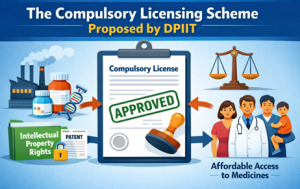
India’s Department for Promotion of Industry and Internal Trade recently floated a working paper that has stirred up a storm in both tech and creative circles. The idea centers on creating a single nationwide authorisation for AI companies to use copyrighted materials in training their models, paired with a royalty system to compensate creators. Dubbed the “One Nation One Licence One Payment” approach, it promises streamlined access for developers while ensuring some payout for those whose works feed the algorithms. But as feedback rolls in ahead of the early February deadline, voices from software firms to filmmakers argue this forced setup misses the mark badly, potentially harming the very innovation and content richness it aims to harness.
The Spark Behind the Proposal
AI models thrive on massive data troves, and a good chunk of that data draws from protected sources like news stories, books, songs, and videos. India’s Copyright Act treats copying such material for training as infringement, a stance backed by court challenges such as publishers taking OpenAI to the Delhi High Court over scraped content. Overseas, firms have shelled out big in settlements, like Anthropic’s 1.5-billion-dollar deal with authors for using dodgy sources, and voluntary pacts with big media players are picking up steam. Without stiff penalties like America’s statutory damages, Indian developers face real legal heat, fueling calls for clearer paths forward.
How the Framework Would Work
The plan sets up a central non-profit body, much like a collective rights manager, where AI builders get one licence covering all eligible content. Royalties kick in based on company earnings, applying both to future projects and past ones once models hit the market. An expert group picked by the government would fix rates, pulling input from field-specific copyright societies for things like literature or movies. Developers earn a legal right to use any publicly available protected work, and creators have no choice to pull out. The goal looks straightforward: cut the mess of individual bargaining, guarantee fair shares, and dodge the free-for-all some push for.
 Arguments in Favour
Backers see real promise here for India’s AI push. One-stop access eases the burden on startups haggling with countless owners, speeding up homegrown tech amid fierce global races. It beats handing data away for nothing, as in some European carve-outs limited to research, and fits patterns from radio royalties where collectives handle payouts smoothly. With India’s wealth of local languages and tales as prime AI fuel, steady creator income could spark more output, turning cultural strengths into tech edges without court gridlock.
Growing Pushback from All Sides
Resistance cuts across lines. Tech advocates like NASSCOM blast it as a creativity killer, making India the pioneer in mandatory fees and craving simpler opt-out data rules instead. Content makers in Bollywood, TV, and print decry losing say over their work, with no refusal button and private deals tossed aside for generic terms. Doubts swirl around running such a beast, picturing stacked oversight layers bloating costs and echoing outdated red tape. Flat pricing risks shortchanging gems next to everyday fare, letting bureaucrats call value over market forces.
Core Flaws in Execution
Digging deeper shows shaky ground. Blanket mandates suit basic broadcasts but stumble on layered media where pacts weave in marketing, quality checks, and perks beyond cash. Uniform rates flatten diverse worth, past-use billing trips on evidence, and sales-tied pay struggles tracing data impact without business secrets spilled. Creators surrender core control, their output pooled like state minerals rather than personal assets.
Real-World Hurdles Ahead
Day-to-day rollout looks rough. Copyright overseers already battle openness claims, and ballooning digital flows could swamp them. Vetting legal data sources demands teeth they lack, inviting laundered piracy. Global players might skirt via foreign bases, starving local coffers. As US cases birth voluntary ties, this could chill them domestically, fraying ties where arts nourish AI data wells.
Weighing the Alternatives
The paper nods to other roads but steps past them. Easy data grabs gut rewards, twisting creation if AI feasts free. Pure talks burden small fry with deal-making, yet trends hint lawsuits nudge pacts along, with spots like Australia ditching loose rules and Europe narrowing to labs.
Path Forward Amid the Debate
Decision time looms with comments wrapping up. Smart tweaks, choice to join, market-tied guides, and clear books might salvage it, propping private handshakes while shielding underdogs. Clinging tight courts a groundbreaking misfire, alienating builders and artists, squandering India’s AI lead via native lore. True gain blooms from maker-machine teamwork, not iron rules but firm lines like harsher fines and even play. At this fork, wise balance could light others’ way.
Author: Amrita Pradhan, in case of any queries please contact/write back to us via email to [email protected] or at IIPRD.
References
- Department for Promotion of Industry and Internal Trade (DPIIT), Working Paper on Generative AI and Copyright: One Nation One Licence One Payment, December 2025, https://www.dpiit.gov.in/static/uploads/2025/12/ff266bbeed10c48e3479c941484f3525.pdf.
- The Copyright Act, 1957 (Act No. 14 of 1957), Section 14 – Exclusive Rights of Copyright Owners Including Reproduction, https://copyright.gov.in/documents/copyrightrules1957.pdf.
- Reuters, OpenAI Faces New Copyright Case from Global Book Publishers in India, January 24, 2025, https://www.reuters.com/technology/artificial-intelligence/openai-faces-new-copyright-case-global-publishers-india-2025-01-24.
- NPR, Anthropic Settles with Authors in First-of-Its-Kind AI Copyright Infringement Lawsuit, September 5, 2025, https://www.npr.org/2025/09/05/nx-s1-5529404/anthropic-settlement-authors-copyright-ai.
- Reuters, OpenAI Signs Content Deals with Time, Financial Times and Business Insider Owner Axel Springer, December 2023 (Updated with Ongoing Trends in 2025 Reports), https://www.reuters.com/technology/openai-signs-content-deals-with-time-financial-times-business-insider-owner-axel-2023-12-13.
- NASSCOM, Dissent Note in DPIIT Working Paper on Generative AI and Copyright – Advocacy for Text and Data Mining Exception, December 2025, https://www.dpiit.gov.in/static/uploads/2025/12/ff266bbeed10c48e3479c941484f3525.pdf.
- Reuters, Hollywood, Bollywood Groups Lobby Indian Panel to Protect Content from AI Models, October 8, 2025, https://www.reuters.com/sustainability/boards-policy-regulation/hollywood-bollywood-groups-lobby-indian-panel-protect-content-ai-models-2025-10-08.
- Department for Promotion of Industry and Internal Trade (DPIIT), Working Paper on Generative AI and Copyright: One Nation One Licence One Payment – Discussion on U.S. Voluntary Licensing Trends and Alternatives, December 2025, https://www.dpiit.gov.in/static/uploads/2025/12/ff266bbeed10c48e3479c941484f3525.pdf.